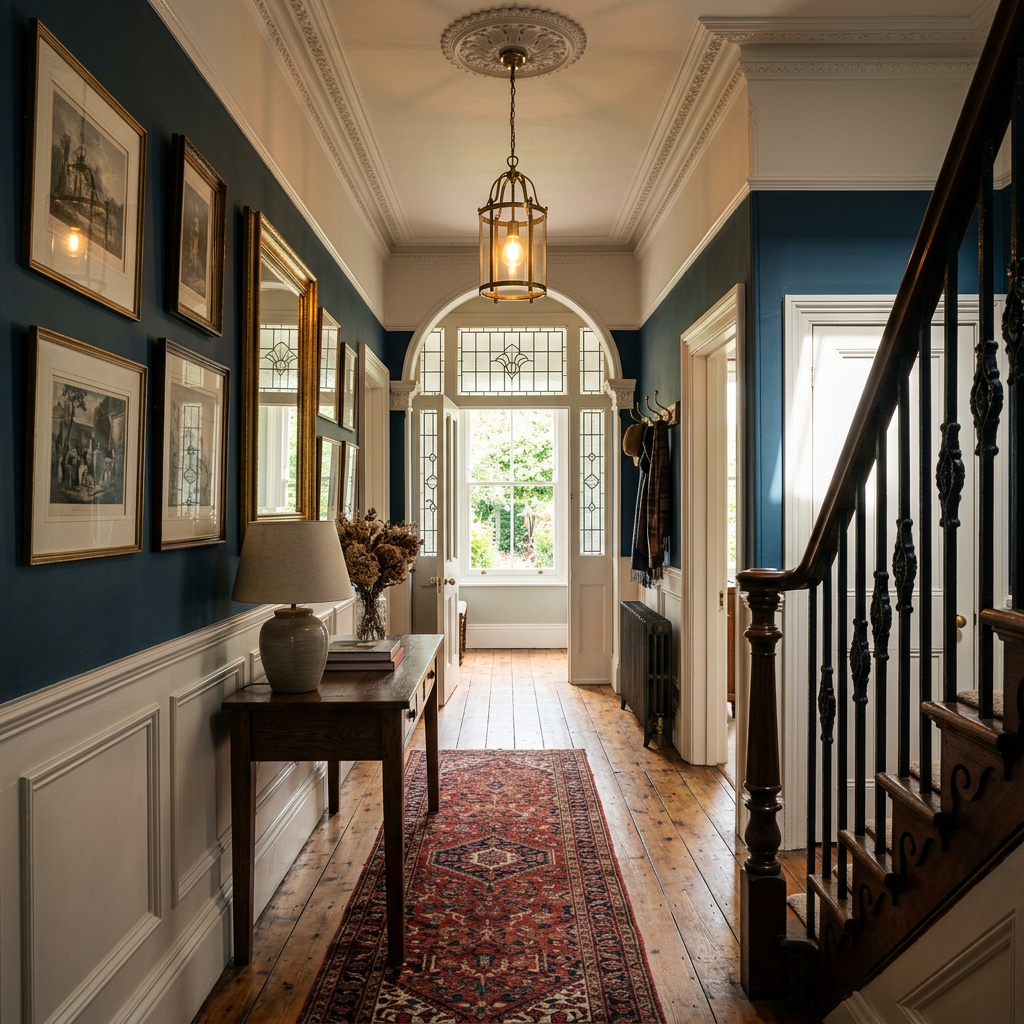
Key Takeaways: Professional Victorian Pine Restoration
- Grit Selection: Start with 40-grit Zirconia for uneven boards; avoid 24-grit unless cupping is severe to prevent grain tearing.
- Gap Filling: Use a high-quality resin mixed with 80-grit pine dust for seamless ‘wood-to-wood’ matching.
- Finish Choice: Osmo Hardwax Oil is superior for heritage pine due to its ability to expand and contract with original timber.
- VAT & Budget: Ensure professional tradesmen provide a clear VAT breakdown for residential heritage works.
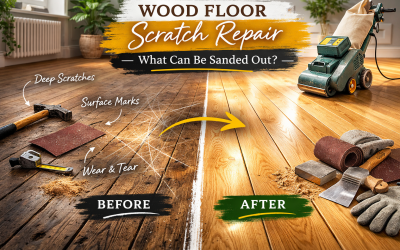
Victorian properties are the crown jewels of the UK housing stock, yet many homeowners find themselves facing a significant problem: original pine floorboards that have seen better days. Over a century of foot traffic, moisture fluctuations, and previous amateur DIY attempts often leave these floors cupped, gapped, and aesthetically lacking. If you are staring at a dull, uneven floor, the agitation is real—draughts whistle through the gaps, and the ‘shabby-chic’ look has become just plain shabby.
The solution lies in a systematic, heritage-focused approach to wood floor restoration. This isn’t just about removing a layer of wood; it’s about preserving the history and structural integrity of the timber while achieving a high-end finish that lasts another lifetime.
The Technical Challenge: Sanding Uneven Timber
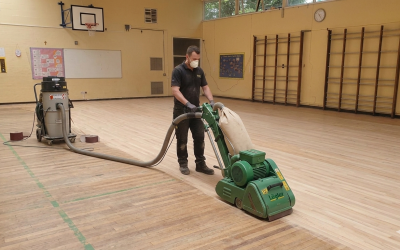
Victorian pine (often Scots Pine or Douglas Fir) is relatively soft compared to oak, making it susceptible to deep scratches if the wrong grit sequence is used. When dealing with uneven boards, the instinct is to reach for a 24-grit belt. Pro-Tip: In the UK climate, where timber can be slightly damp, a 24-grit can cause ‘fuzzing’ or grain tearing. Instead, start with a 40-grit Zirconia belt on your Lagler Hummel or Bona Belt sander. Sand at a 7.5 to 15-degree angle across the grain to level the boards before switching to parallel passes.
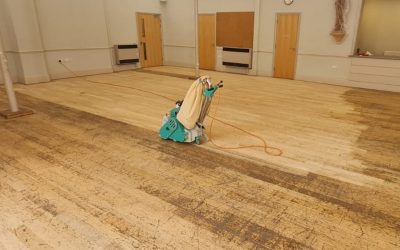
For the edges, the Bona Edge is essential for getting right up to the skirting without leave-behind ‘chatter marks’. Ensure you transition through the grits: 40, 60, 80, and finally 100 or 120 depending on your finish choice. If you’re planning on gap filling with resin, do this after the 80-grit stage so the filler doesn’t get pulled out by the coarser papers.
Water Popping and Stain Consistency
One common issue with pine is ‘blotching’ when staining. To combat this, we recommend water popping. This involves lightly misting the floor with distilled water after the final sand. This opens the grain (grain raising), allowing the stain to penetrate evenly rather than sitting on the surface. This is particularly crucial if you are aiming for a darker walnut or mahogany tone on light pine floorboards.
The Osmo Advantage: Curing Times in UK Humidity
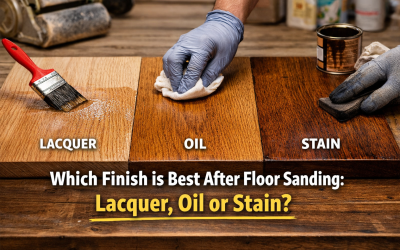
For period domestic settings, we often favour Osmo Hardwax Oil. Unlike lacquers, which sit on top of the wood like a plastic film, hardwax oils penetrate the timber, allowing it to breathe. In typical UK humidity (often above 60%), curing times are critical. While the tin might say 8-10 hours, we advise leaving at least 12-14 hours between the first and second coat. Pro-Tip: Use a Bona Flexisand with a white pad for the final buff to ensure an ultra-smooth, high-end residential feel.
Always consider the moisture content of the floorboards before beginning. Using a moisture meter is standard practice for professional tradesmen; if the timber is above 12%, additional acclimatisation or heating may be required to prevent future shrinkage after the dust-free sanding process is complete.
For more technical specifications on professional-grade finishes, you can refer to the Bona UK professional guides, which outline the chemical resistance and wear layers of various topcoats.
Conclusion
Restoring Victorian pine floorboards is an investment in your home’s heritage. By following the correct grit sequences, utilizing modern dust-free technology, and respecting the curing times required by the UK’s unique climate, you can transform a draughty, uneven floor into a stunning architectural feature. Don’t forget to account for VAT in your restoration budget and always hire tradesmen who understand the nuances of period timber.