

Wood Floor Scratch Repair: What Can Be Sanded Out?
Scratches on a wooden floor can make an otherwise beautiful room look tired, neglected and older than it really is. In many Hackney homes, timber floors are one of the property’s best features, but daily wear from shoes, furniture, pets and general foot traffic can quickly leave visible marks behind. The good news is that many scratches can be repaired successfully. The more important question is this: what can actually be sanded out, and what needs a different kind of repair?
The answer depends on the depth of the scratch, the type of timber floor, the condition of the finish and whether the damage is purely cosmetic or has cut deeper into the wood itself. Understanding the difference can save you time, money and disappointment. It can also help you decide whether a full restoration is needed or whether a lighter treatment will do the job.
At Hackney Floor Sanding, we help homeowners bring worn timber floors back to life with expert floor sanding, professional wood floor restoration, precise floor repair services and durable floor sealing and finishing. If your floor is marked, scuffed or scratched, knowing what can be sanded out is the first step towards restoring its original character.

Why Wooden Floors Get Scratched So Easily
Wood is a natural material, and that is part of its appeal. It has warmth, texture and individuality. However, timber is also vulnerable to everyday impact. Even well-protected floors can pick up scratches over time.
Common causes of wood floor scratches include:
- Moving furniture without felt pads
- Pet claws
- Grit and small stones brought in from outside
- High heels
- Children’s toys
- Office chairs with hard wheels
- General wear in busy areas such as hallways and living rooms
In many cases, what looks like serious floor damage is actually surface-level marking in the finish rather than deep harm to the timber. This is why a professional assessment matters. A scratched lacquered floor may need a different solution from an oiled floor or an old pine floorboard with deep gouges.
The Difference Between Surface Scratches and Deep Scratches
Before deciding what can be sanded out, it helps to understand the two main types of scratch damage.
Surface Scratches
These are the light marks that affect the protective coating rather than the wood itself. They are often found in lacquer, varnish or hardwax oil finishes and usually appear as fine lines, dull scuffs or shallow marks. Surface scratches are the easiest to deal with because the timber underneath may still be in very good condition.
In many cases, these can be reduced or fully removed during professional wood floor sanding, or sometimes improved with a recoat, buffing process or localised treatment.
Deeper Scratches
These go beyond the finish and cut into the timber itself. You may notice:
- Darker lines where dirt has entered the scratch
- Rough edges you can feel with a fingernail
- Visible indentations
- Damage that changes colour depending on the light
Deeper scratches can still often be sanded out, but not always completely. The success of sanding depends on how much wood would need to be removed to level the area without weakening the floor.
What Can Usually Be Sanded Out?
This is the part most property owners want to know. The good news is that a surprising number of scratches can be removed through sanding, especially on solid wood floors and traditional floorboards.
1. Light Surface Scratches in the Finish
If the scratch has only affected the top coat, sanding or abrasion of the finish layer followed by resealing can often make the floor look like new again. This is particularly common with lacquered floors that show lots of fine lines in strong daylight.
2. Moderate Scratches That Barely Reach the Timber
If the scratch has just broken through the finish and only touched the uppermost layer of wood, professional sanding can usually blend it out successfully. This works well when the surrounding boards are still thick enough to allow safe sanding.
3. Scattered Wear in High-Traffic Areas
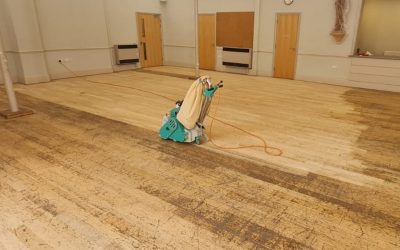
Sometimes the issue is not one deep scratch but a build-up of many smaller marks. Hallways, entrances and reception rooms often develop this kind of wear pattern. In these cases, full floor restoration can remove the damaged surface layer and reveal fresh timber beneath.
4. Pet Scratches That Have Not Gouged Too Deeply
Pet claws often leave multiple narrow scratches. If these are relatively shallow, sanding can greatly improve or completely remove them. The final result is often excellent once the floor is resealed with a strong, durable finish suited to busy households.
5. Old General Wear on Timber Floorboards
Period properties in Hackney often have original floorboards that have survived decades of use. These floors may look heavily marked, but much of the damage is usually within the top wear layer. With careful floorboard sanding and refinishing, many scratches can be removed and the natural charm of the boards restored.
What Cannot Always Be Sanded Out Completely?
Not every scratch will disappear with sanding alone. A professional company should be honest about this from the beginning.
1. Very Deep Gouges
If the scratch is so deep that removing enough timber to level it would take too much out of the board, complete sanding removal may not be safe. In that case, filling, localised repairs or board replacement may be the better option.
2. Engineered Floors With a Thin Wear Layer
Engineered wood floors can often be sanded, but only if the top hardwood layer is thick enough. Some lower-cost products have a wear layer that is too thin for aggressive sanding. These floors need a much more careful approach.
3. Damage Combined With Staining
If a scratch has allowed moisture or dirt into the timber, you may see dark staining. Sanding can sometimes improve it, but stains that have penetrated deeply may remain faintly visible or require additional treatment.
4. Split, Cracked or Broken Boards
A scratch is one thing. Structural damage is another. If the board is split, lifted, loose or cracked, sanding will not solve the underlying problem. The floor may need wood floor repair before sanding can begin.
5. Repeatedly Sanded Old Floors
Older floorboards that have been sanded many times in the past may not have enough thickness left for another full cut. A skilled specialist can assess this and recommend the safest route.
How Professionals Decide Whether a Scratch Can Be Sanded Out
A professional assessment involves more than simply looking at the floor from above. Experienced restorers check:
- The type of wood flooring
- The depth and spread of the scratches
- The existing finish
- Board thickness
- Previous sanding history
- Moisture damage or staining
- Loose boards, gaps or movement
- Whether local repair or full sanding will give the best result
At Hackney Floor Sanding, the goal is not simply to sand for the sake of it. The aim is to choose the treatment that restores the floor properly while protecting its lifespan.
Can One Scratched Area Be Sanded Without Doing the Whole Floor?
Sometimes yes, but it depends on the finish and the location of the damage.
Localised scratch repair can work when:
- The affected section is small
- The finish can be blended successfully
- Colour matching is possible
- The repair area is not too visually prominent
However, on many floors, patch sanding can leave visible differences in colour or sheen. Wood changes over time through sunlight, oxidation and wear, so newly sanded timber may stand out against older surrounding boards. That is why full-room floor sanding and sealing often gives the most even and attractive result.
The Sanding Process for Scratch Repair
When scratches can be sanded out, the process is about far more than just rubbing down the surface. A professional restoration is methodical.
Inspection and Preparation
The floor is assessed, furniture is removed where needed, and any raised nails, loose boards or repair issues are addressed before sanding begins.
Coarse Sanding
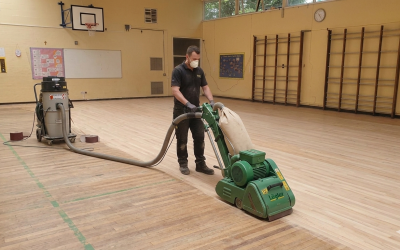
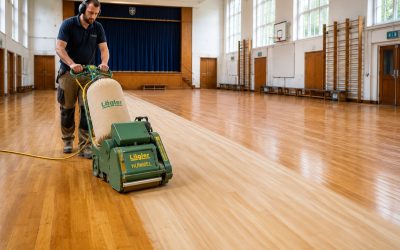
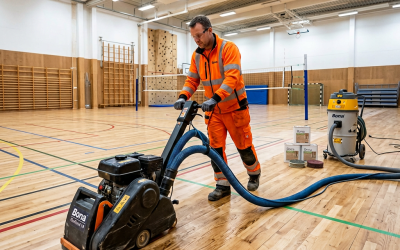
A first pass removes the old finish, surface wear and a thin layer of timber. This is where many scratches begin to disappear.
Intermediate Sanding
A finer abrasive smooths the surface and helps blend remaining marks.
Edge and Corner Work
Specialist machines are used around the perimeter and in tighter areas so the final result is consistent across the whole room.
Filling and Repairs
If needed, minor gaps, small defects and isolated imperfections can be filled before final finishing.
Fine Sanding
This creates a smooth, even surface ready for sealing.
Sealing and Finishing
A protective finish is applied to enhance the timber and guard against future damage. Options may include matt, satin or gloss lacquer, as well as oils depending on the floor type and desired look.
This is why professional floor finishing services matter just as much as the sanding itself. A great result is not only about removing scratches. It is also about leaving the floor protected and visually balanced.

Which Floors Respond Best to Scratch Sanding?
Some timber floors are particularly good candidates for sanding out scratches.
Solid Hardwood Floors
Oak, ash and other solid hardwood floors usually respond very well, provided there is enough depth remaining. These floors can often be sanded multiple times over their lifespan.
Traditional Pine Floorboards
Original pine boards found in period properties are often softer and scratch more easily, but many scratches can still be sanded away effectively. The softer nature of pine simply means care is needed during restoration.
Quality Engineered Wood Floors
If the wear layer is thick enough, engineered floors can often be lightly or moderately sanded to remove scratch damage. This should always be done by professionals familiar with the product.
Which Finish Is Best After Scratch Repair?
Once the scratches are removed, the right finish can help reduce the likelihood of future damage.
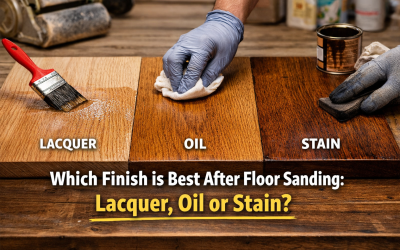
Lacquer
A good option for busy homes because it forms a protective top coat and is available in different sheens. Modern low-odour lacquers are especially popular in family homes.
Hardwax Oil
This penetrates the timber and gives a natural look. It is often chosen for its warm appearance and repairability, though maintenance is different from lacquered floors.
Commercial-Grade Finishes
In high-traffic settings or homes with pets and children, stronger systems may be recommended to improve scratch resistance.
Choosing the right finish is an important part of professional wood floor refinishing. A beautifully sanded floor will only stay looking its best if the protective layer suits how the room is used.
How to Prevent New Scratches After Sanding
Once your wooden floor has been restored, a few simple steps can keep it looking better for longer:
- Use felt pads under furniture legs
- Avoid dragging heavy furniture
- Keep pet nails trimmed
- Use mats at entrances
- Sweep or vacuum regularly to remove grit
- Choose soft wheels for office chairs
- Clean with products suitable for timber floors
- Wipe up spills promptly
Prevention makes a real difference. Even the best restored floor will suffer if dirt and friction are allowed to build up every day.
Is DIY Scratch Sanding Worth It?
Many homeowners are tempted to deal with scratches themselves, especially if the damage seems minor. However, DIY sanding often leads to:
- Uneven surfaces
- Swirl marks
- Sanding through the finish inconsistently
- Visible patch repairs
- Poor colour matching
- Dust problems
- Premature finish failure
Timber floor restoration is one of those jobs where the equipment, technique and finishing knowledge make a major difference. A floor that is badly sanded can be harder and more expensive to correct later.
When to Call a Professional
You should consider getting expert help if:
- The scratches are widespread
- You can feel the damage with your fingernail
- The boards are stained as well as scratched
- The floor is engineered and you are unsure about the wear layer
- Previous DIY attempts have made the surface patchy
- Some boards are loose, gapped or damaged
- You want a consistent, long-lasting finish
Professional floor repair and restoration services can save both the appearance and lifespan of your timber floor.
Final Thoughts: What Can Be Sanded Out?
So, what can be sanded out? In simple terms, light to moderate scratches, finish damage, pet marks, traffic wear and many shallow timber scratches can often be removed very successfully through professional sanding. Deep gouges, structural board damage and scratches on thin engineered wear layers may need a different repair approach or may only improve rather than disappear entirely.
The key is proper assessment. Every wooden floor is different, and the right repair method depends on the floor’s age, material, finish and condition. What looks beyond saving is often highly restorable in the hands of an experienced specialist.
If your floor is marked, dull or scratched, Hackney Floor Sanding can help with expert floor sanding services, reliable wood floor repairs, professional floor restoration and high-quality floor sealing and finishing. A scratched floor does not always need replacing. Very often, it simply needs the right restoration process to reveal the timber’s beauty again.